






Hybrid vs. Electric Cars: Choose the Perfect Ride for a Greener Future
At Preston Chrysler Dodge Jeep Ram, we’re committed to assisting our customers in finding the perfect car for their needs. As the world embraces a more sustainable future, EVs and hybrid vehicles are becoming increasingly popular choices and for good reason. But with so many options available, deciding which one is right for you can be a challenge. Our blog dives into the key differences between hybrid vs. electric cars, empowering you to make a well-informed decision that aligns with your lifestyle and environmental values. Keep cruising along to learn the difference between an EV & hybrid, and explore our inventory to shop our available EVs and hybrids!

Understanding the Technology Under the Hood
You may be questioning: what is the difference between hybrid and electric cars? The core difference between hybrids and electric vehicles (EVs) lies in their power source. Traditional gasoline-powered cars rely solely on an internal combustion engine. EVs, on the other hand, ditch the gas tank altogether, using an electric motor powered by a high-voltage battery. This translates to zero tailpipe emissions, a significant benefit for our environment. Hybrid cars, however, take a middle ground. They combine an electric motor with a classic gas engine, seamlessly interchanging between the two depending on driving conditions. Hybrids can switch between electric power and gas, offering a balance of efficiency and speed.
What are Hybrid Cars?
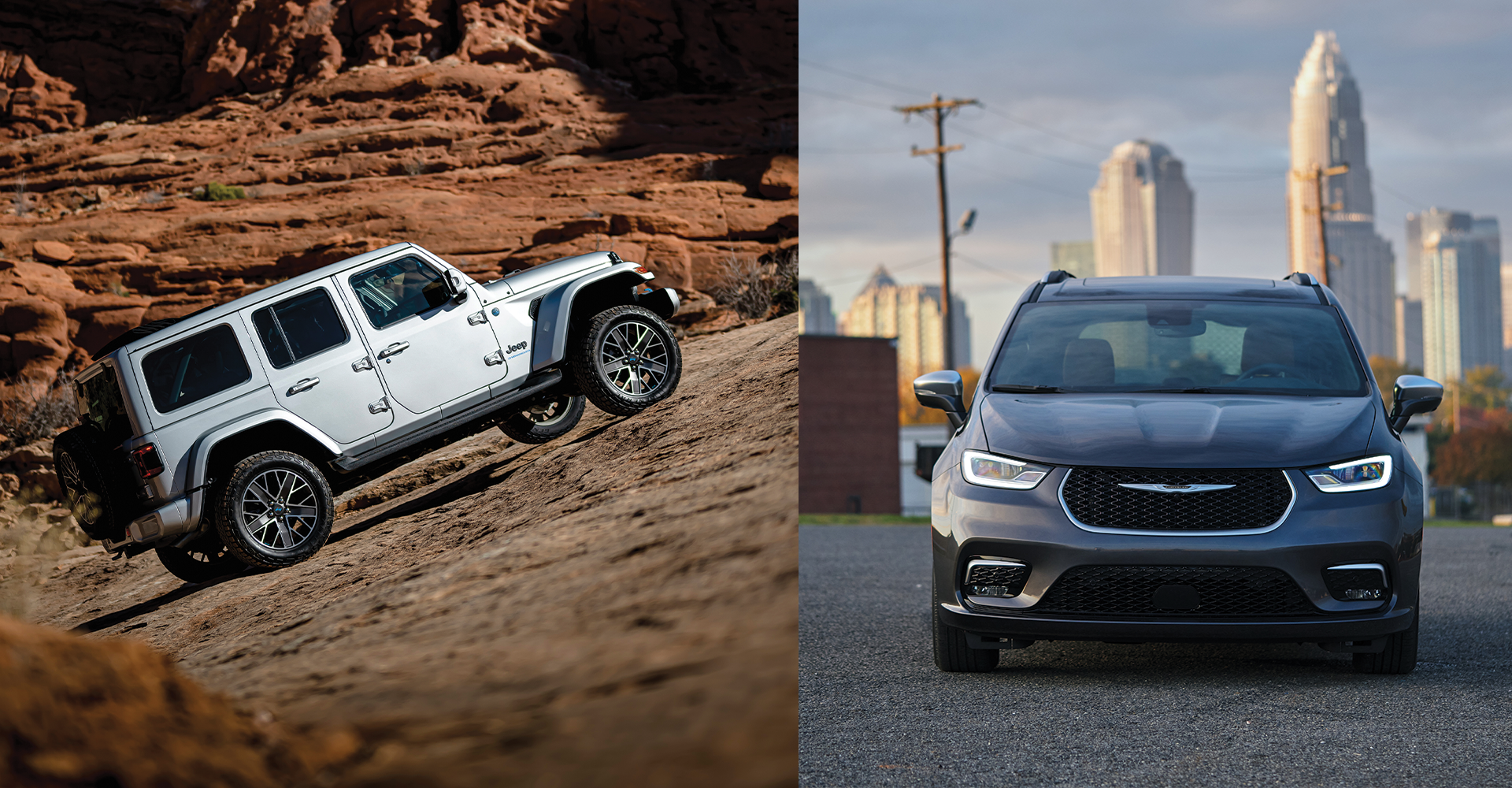
Hybrid vehicles like the Jeep Wrangler 4xe and the Chrysler Pacifica PHEV offer a compelling blend of fuel efficiency and practicality. Their internal combustion engine ensures you can tackle long road trips without range anxiety. When driving around town or during stop-and-go traffic, the electric motor kicks in, maximizing fuel economy and minimizing emissions. Regenerative braking in hybrid and plug-in hybrid vehicles allows the car to recapture energy from braking and use it to recharge the battery. Hybrids may require slightly more maintenance due to their dual powertrain, but they often have a lower upfront cost compared to EVs.
What are Electric Vehicles?
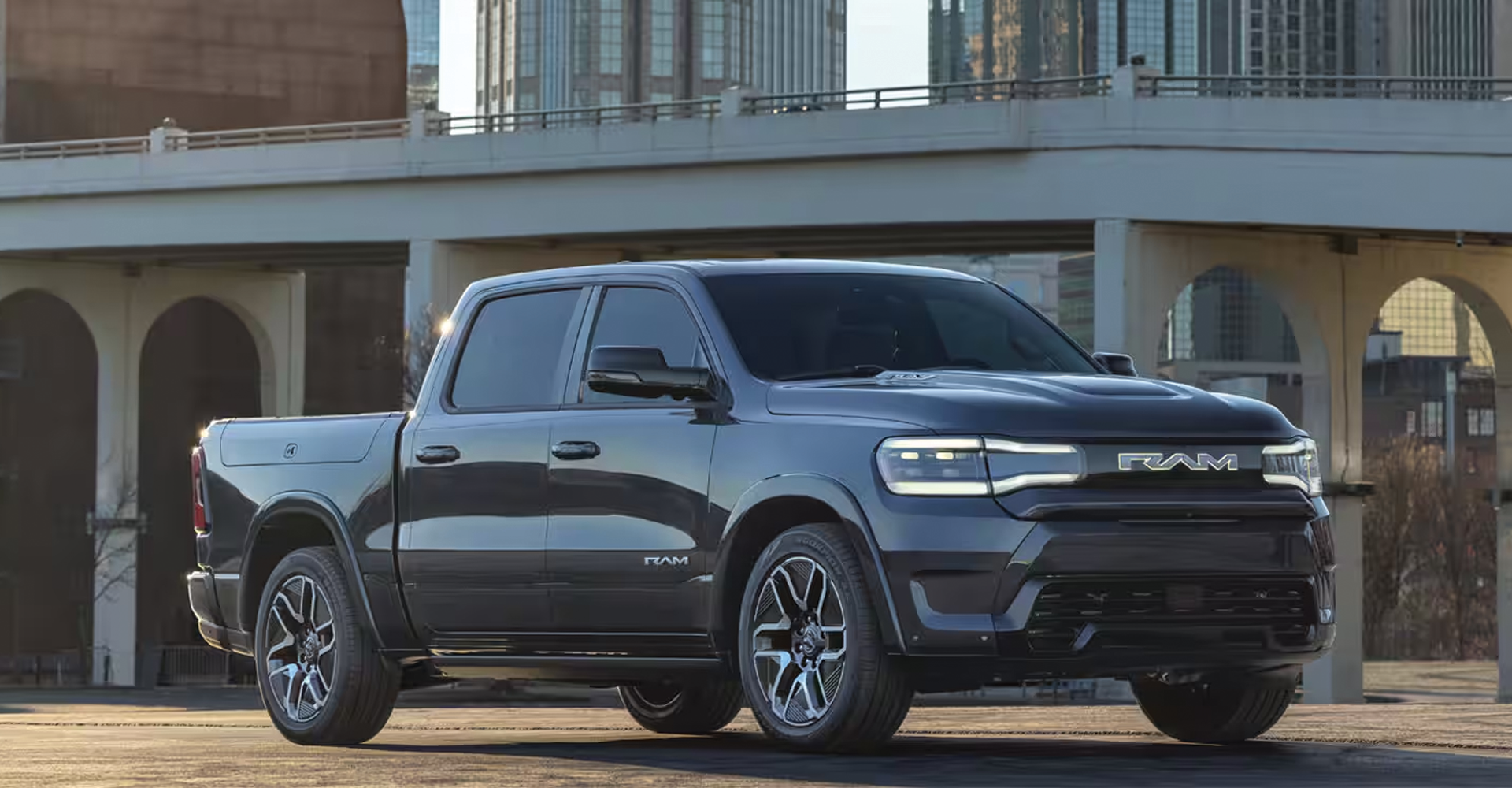
Electric vehicles like the Ram REV represent the cutting edge of sustainable transportation. Owning an electric car comes with benefits such as zero tailpipe emissions, a smooth, quiet ride, and lower operating costs due to cheaper electricity compared to gasoline. However, there are drawbacks, including limited driving range and evolving charging infrastructure. Fully electric vehicles often have higher upfront costs compared to hybrids, but they may qualify for more substantial federal tax incentives. They provide a smooth, quiet ride and lower operating costs thanks to significantly cheaper electricity compared to gasoline. However, their driving range is typically limited to 200-300 miles on a single charge, requiring more planning for long journeys. Additionally, charging infrastructure is still evolving, so access to charging stations may be a factor to consider.
Going Green: It’s About the Journey, Not Just the Destination
When comparing hybrid vs. electric cars, both hybrid and electric vehicles offer significant environmental benefits compared to traditional gasoline-powered cars. Hybrids provide a smooth transition to a more sustainable lifestyle, reducing emissions while maintaining the familiarity of a gas engine. Electric vehicles, on the other hand, make a bold statement towards a zero-emission future, offering substantial environmental benefits by completely eliminating tailpipe emissions. Hybrid electric vehicles are generally more efficient than traditional cars but may not match the efficiency and driving experience of fully electric vehicles, which offer instant torque and a quieter ride.
Costs & Practicality: Are Hybrid Cars More Expensive Than Electric Cars?
Electric vehicles often boast lower operating costs due to electricity being cheaper than gasoline. However, when comparing costs and features, plug-in hybrids offer a happy medium between traditional hybrids and electric vehicles, providing benefits like tax incentives and reduced range anxiety. However, their upfront purchase price can be higher than hybrids. Hybrids strike a balance, offering improved fuel efficiency without the initial price tag of a full EV. Additionally, the performance differences between electric and gas vehicles are notable, with electric vehicles providing instant torque, quietness, and a smoother driving experience compared to gas vehicles.
The Bottom Line: Making a Decision & Choosing Your Perfect Ride
Ultimately, the choice between a hybrid car vs. electric cars boils down to your individual needs. A hybrid car gets its power from both an electric motor and an internal combustion engine, offering the benefit of not needing to be plugged in for charging as it receives energy from the internal combustion engine and regenerative braking. Consider your driving habits: do you frequently take long road trips, or are your commutes primarily around town? Evaluate your budget: are you comfortable with a potentially higher upfront cost for an EV, or do you prioritize a more affordable option? Don’t forget to factor in your environmental conscience: are you looking to significantly reduce your carbon footprint, or is a gradual shift toward sustainability your goal?
Test Drive Your Future
Still conflicted on hybrid vs. electric cars? Here at Preston CDJR, we have a wide selection of both hybrid and electric vehicles from the trusted Chrysler, Dodge, Jeep, and Ram brands. Visit our dealership today to take a test drive and fully grasp which one you prefer. Our knowledgeable staff is here to answer your questions and help you find the perfect car that aligns with your lifestyle and environmental goals. Together, let’s pave the way for a greener future, one eco-friendly ride at a time!
Connect with us

