






How Hybrid Cars Hold Their Value: A Closer Look
Are you considering a hybrid vehicle but worried about how hybrid cars hold their value? You’re not alone. Many car buyers are drawn to the fuel efficiency and environmental benefits of hybrids, but questions about resale value often linger. Let’s dispel those doubts and explore why hybrid cars are a sound investment. After we take a look at how hybrid cars hold their value, we invite you to explore our available inventory for yourself. Head to Preston Chrysler Dodge Jeep Ram to explore our hybrid vehicles and take a test drive today!

Factors Affecting Hybrid Depreciation
Are you wondering how hybrid cars hold their value? Several factors influence a car’s resale value, including age, mileage, and market conditions. While these elements apply to all vehicles, hybrid cars have unique characteristics that impact their value. Age and mileage are fundamental to hybrid depreciation. Newer cars with lower mileage typically hold their value better. However, well-maintained hybrid vehicles often defy this trend due to their superior fuel economy and lower maintenance costs. Excessive mileage might diminish a conventional car’s value, but hybrid owners often enjoy reduced wear and tear on their engines thanks to regenerative braking. Market conditions can also play a role. Fluctuations in fuel prices, economic trends, and even global events can impact resale values. While hybrid cars have generally held their value well, it’s essential to consider the broader market when making purchasing decisions.
Hybrid Cars vs. Electric and ICE Cars
When comparing depreciation, hybrid cars often outperform both electric and traditional internal combustion engine (ICE) vehicles over a five-year period. This is largely due to the combined benefits of electric and gas powertrains. Hybrids offer a balanced approach, providing fuel efficiency, reduced emissions, and a familiar driving experience. Electric vehicles, while gaining popularity, tend to depreciate faster. Factors such as battery technology advancements and charging infrastructure development can impact their resale value. Additionally, lower fuel costs can justify the higher initial purchase price of hybrid and electric vehicles, significantly impacting their total cost of ownership. ICE vehicles, on the other hand, have a more established market, but their fuel consumption and environmental impact are becoming increasingly less desirable for many buyers.
Benefits of Hybrid Cars
Beyond holding their value, hybrid cars offer numerous advantages. Hybrid drivetrains are known for their reliability and reduced need for maintenance compared to traditional internal combustion engine (ICE) vehicles. They also contribute to lower overall ownership costs and higher resale values. Here are few other ways on how hybrid cars hold their resale value:
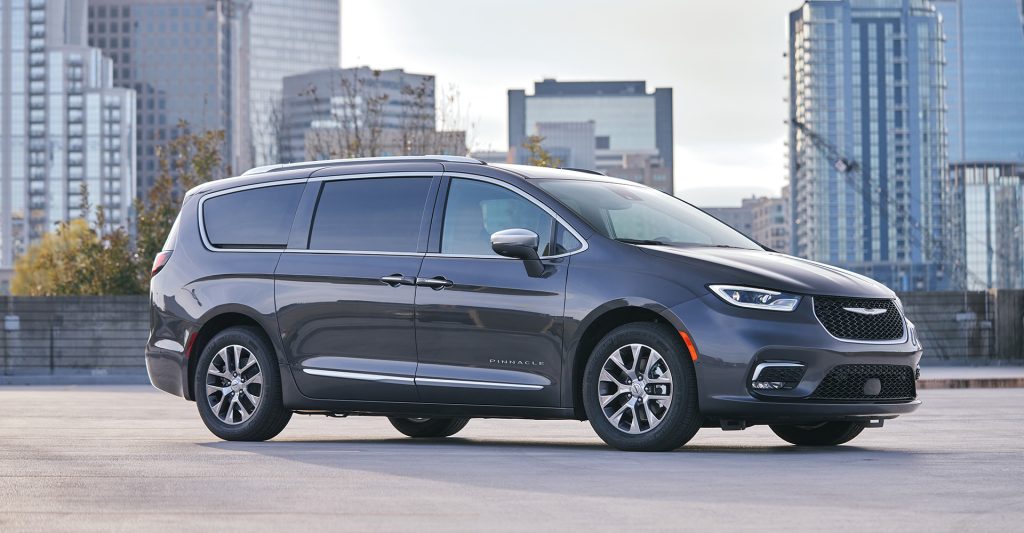
Premium Fuel-Efficiency: Fuel savings can significantly impact the overall financial benefits for owners, especially those who drive long distances. Fuel efficiency is a primary draw, with many models delivering impressive miles per gallon. Plug-in hybrid options, such as the Chrysler Pacifica Plug-In Hybrid, can provide even greater flexibility. They allow for extended electric-only driving, typically between 20 and 40 miles, and improve overall mileage compared to traditional internal combustion engines.
Less Moving Parts: Additionally, hybrid systems often require less frequent maintenance, such as oil changes and brake repairs, due to regenerative braking and the shared workload between the electric motor and gas engines.
Cleaner, Greener Commuting: From an environmental standpoint, hybrid cars produce fewer emissions than traditional gas-powered vehicles. Battery life significantly impacts the overall functioning and reliability of hybrid cars, as factors like extreme weather and usage patterns can affect the longevity and effectiveness of the battery. While electric cars offer zero tailpipe emissions, the production process and reliance on electricity generation can have environmental impacts. Hybrid cars hold their value by striking a balance between reducing emissions and providing a practical driving experience.
Hybrid Happiness: Big Savings, Bigger Benefits
Driving a hybrid isn’t just good for the planet—it’s great for your wallet! Enjoy substantial federal tax credits worth up to $3,400 when you purchase a new hybrid car. If you’re looking to maximize your savings, consider a plug-in hybrid with even higher potential credits of up to $7,500. So, how do hybrid cars hold their value in terms of tax savings? The exact amount of your tax credit depends on the specific hybrid model, so let our team guide you through the process. We’ll help you determine which Chrysler, Dodge, Jeep, or Ram vehicle qualifies for the best incentives. Don’t miss out on these incredible savings! Visit us today to explore your options and learn more about making the switch to an affordable EV or hybrid.
Go Green at Preston CDJR!
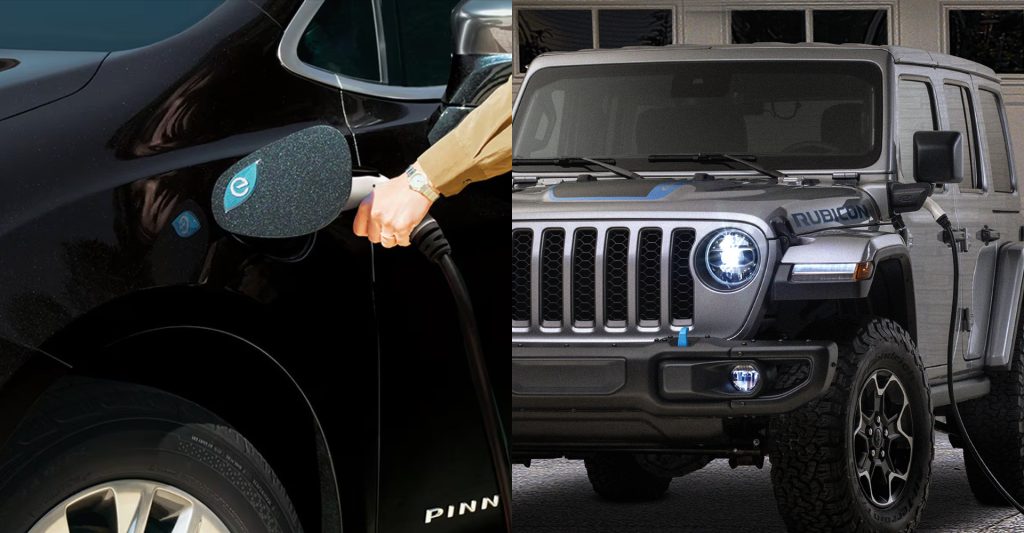
Hybrid cars offer a compelling combination of fuel efficiency, environmental benefits, and strong resale value. The Jeep Wrangler 4xe in particular, is known for its excellent value retention and classic Jeep style, making it a smart investment. While factors like age, mileage, and market conditions influence all vehicles, hybrids often outperform their counterparts. If you’re seeking a responsible, long-term investment, a hybrid car may be a perfect choice for you. Head to Preston CDJR today to explore our hybrid options, take a test drive, and be on your way to greener savings.
Frequently Asked Questions
How can I maximize my hybrid car’s value? Regular maintenance, accurate service records, and responsible driving habits are key components in how hybrid cars hold their value. Additionally, maintaining battery life is crucial for maximizing a hybrid car’s value, as it directly impacts performance and reliability.
Are hybrid cars more expensive to maintain? Generally, no. The combined use of electric motors and gas components often leads to less frequent maintenance intervals for both systems, as the electric motor helps reduce wear and tear on parts, ultimately lowering maintenance costs.
Do hybrid cars perform well in cold weather? Thanks to their electric power assist, hybrid cars are generally less affected by cold weather than traditional ICE vehicles. However, cold weather can impact the battery life, affecting the performance and longevity of the battery.
Connect with us

